

3 min read
How much should an HVAC lead cost?
By Anne ChapmanContent Editor, Boosted Leads
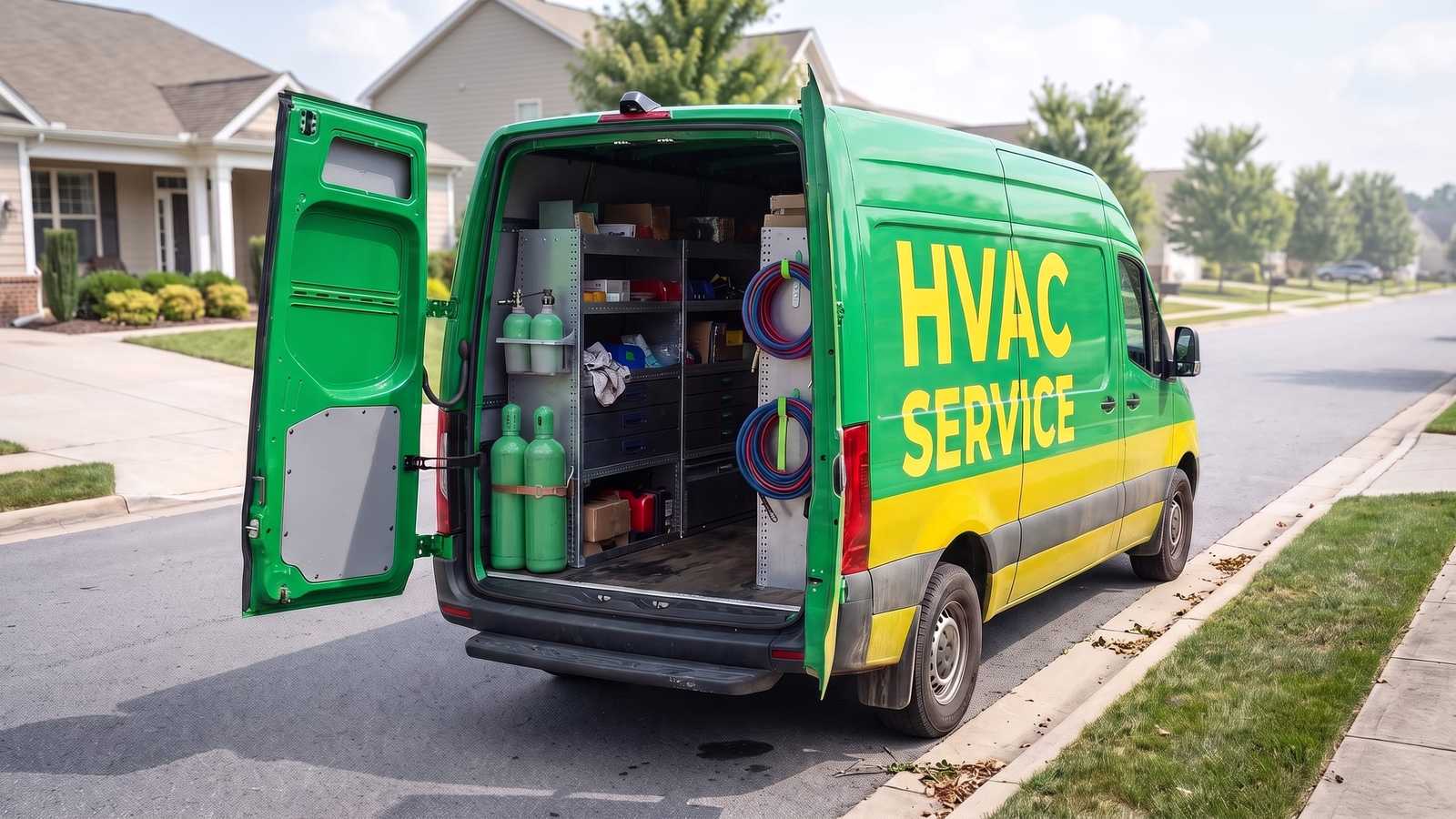
An HVAC lead from Google Local Services Ads runs about $51 on average (SearchLight Digital), with Google's own LSA pricing floating between $45 and $120 per lead depending on local competition. Shared marketplace leads (Angi, HomeAdvisor, and similar) run $15–$100 across categories, with HVAC specifically landing around $38–$52 (public pricing pages and review platforms, compiled 2026-05 — verify current pricing with each provider) — but those leads are sold to 3–5 pros at once, which changes what you're actually paying for.
Every HVAC owner asks some version of this question, and every answer that stops at a single number is incomplete. What a lead costs depends entirely on whether you're the only contractor who gets it.
Shared vs exclusive changes the math
A shared lead and an exclusive lead are not the same product wearing different price tags. When a marketplace sells a lead for $15–$100 (public pricing pages and review platforms, compiled 2026-05 — verify current pricing with each provider), that same homeowner's name and number typically goes out to 3–5 other HVAC contractors simultaneously. You're not buying a customer. You're buying a seat in a race, and the contractor who calls back first usually wins the job regardless of who does the best work.
An exclusive lead — the kind Google Local Services Ads sells at $45–$120/lead — goes to you alone. Nobody else is racing you to the callback. That's most of why the sticker price is higher: you're paying for the whole opportunity, not a fraction of one that several other companies are also chasing at the same time.
Line the two up side by side and the "cheap" option often isn't. A shared lead that looks like a bargain on the invoice can turn expensive fast once you account for how often your front desk loses the race to voicemail, how much time gets spent disputing leads that were already booked by someone faster, and how often a homeowner just goes with whoever answered first — which may not be you. An exclusive lead removes that race entirely. You're either the right fit for the job or you're not, but nobody beat you to the phone.
That's also why comparing sticker prices across channels misses the point. The marketplace lead and the LSA lead aren't competing on the same axis — one sells you a chance, the other sells you the whole opportunity. Deciding which is the better deal for your shop means asking what your team actually does with a lead once it lands, not just what the lead cost to acquire.
Cost per lead is the wrong number to optimize
The number worth tracking is cost per booked job, not cost per lead. A $51 exclusive lead that turns into a signed work order beats a cheaper shared lead that goes to voicemail because someone else's crew already grabbed the job. Cost per lead tells you what a channel costs to run. Cost per booked job tells you what it's actually worth to your business — and those two numbers can tell completely different stories from the same spend.
Exclusivity is what makes the second number move in your favor. When a lead belongs to you alone, your booking rate reflects your speed and your pitch, not a bidding war happening in the background that you can't see or control. Shared leads compress your close rate no matter how good your team is, simply because the math has more competitors in it.
None of this is a claim about what any specific business gets from working with us — these are industry benchmarks and public marketplace pricing, not client results. Your own cost per booked job depends on your market, your close rate, and how fast your team picks up the phone. For the full channel-by-channel breakdown with sourcing, see our HVAC lead cost benchmarks — we keep that page current as pricing shifts.
Wondering whether your current channels are earning their keep? Start with where leads see you first: run your free audit and see how your Google Business Profile and map-pack presence stack up against your competitors' right now.
More field notes
- Why am I not showing up on Google Maps?
The five things Google actually checks before it shows your business on the map — and which ones you can fix yourself this week.